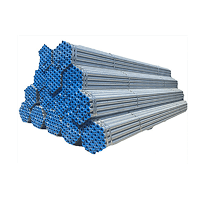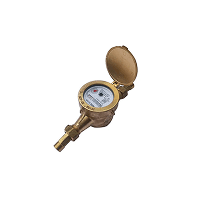
Specifying plumbing materials has never carried more weight. Regulations around lead content, recyclability and embodied carbon are tightening across the board, and the choices made at the design stage ripple through a building's entire lifespan.
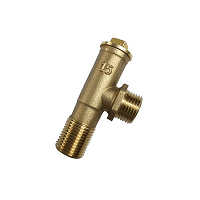
Lead-free brass for potable water
Lead-free brass has become the default for drinking-water systems. Modern low-lead alloys keep the machinability and corrosion resistance engineers expect from brass while meeting the strictest potable-water standards, so there is rarely a reason to specify older grades for new work.
Recyclable polymers: PEX and PP-R
On the pipe side, recyclable polymers continue to gain ground for their flexibility, freeze tolerance and lower installed cost. The trick is to match the polymer to the duty rather than reaching for whatever is cheapest on the shelf.
- PEX — flexible, freeze-tolerant and fast to install for hot-and-cold domestic lines.
- PP-R — heat-fused joints with no solvents, well suited to long-life pressure systems.
- Lead-free brass — the safe default wherever a durable metal fitting is required on potable water.
The cheapest material up front is rarely the cheapest over twenty-five years — specify for the whole lifespan.
A four-point evaluation
When you assess any fitting or pipe, weigh four things together: compliance with local potable-water codes, pressure and temperature ratings, expected service life, and end-of-life recyclability. A material that scores well on all four earns its place in the specification.
Sustainability checklist
Work through those four points and the responsible choice is usually also the durable, compliant one. Sustainability and reliability tend to pull in the same direction once you look past the unit price.