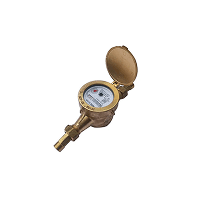
A water meter that drifts out of calibration costs money in both directions — under-reading quietly loses revenue, while over-reading invites disputes and call-backs. A little planned maintenance prevents both.
Why meters drift
Sediment, scale and worn internal seals are the usual culprits. They build up slowly, so the drift is invisible until someone checks the numbers against expected consumption. That is exactly why a fixed schedule beats waiting for a complaint.
Build an inspection routine
Schedule a visual inspection at least annually, and more often on heavy-duty or sediment-prone supplies:
- Check for sediment and confirm the register glass is clear and readable.
- Verify there is no creep — the meter should not register when no water is flowing.
- Flush strainers and replace worn seals before they affect accuracy.
Meters that are serviced on a fixed cycle routinely stay accurate well past their rated life.
Servicing essentials
Keep an installation and servicing log for every meter. A short record of dates, readings and parts replaced turns guesswork into a predictable replacement plan and makes warranty claims straightforward.
Annual service checklist
None of this takes long, and it is far cheaper than disputed bills or an unplanned replacement. A meter you can trust is worth the few minutes a year it asks for.