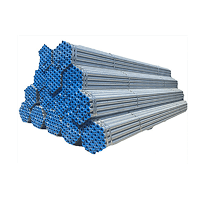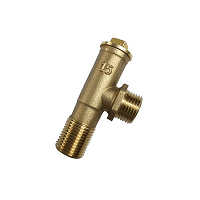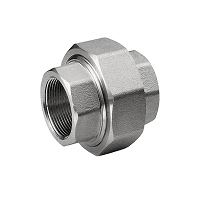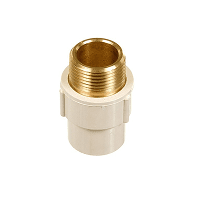
Brass and galvanised iron (GI) are both proven plumbing materials, but reaching for the wrong one is an easy and expensive mistake. The right answer almost always comes down to the water, the temperature and the budget.
Corrosion resistance
Brass resists corrosion far better than GI and handles hot water comfortably, which makes it the safer long-term choice for potable and hot-water lines. GI can scale internally over the years, gradually restricting flow on smaller-diameter runs.
Cost and strength
GI is stronger under mechanical stress and usually cheaper for large-diameter runs, which is why it still earns its place on structural and non-potable work. Brass costs more per fitting but buys you corrosion resistance and a cleaner potable-water story.
- Choose brass for potable water, hot-water lines and anywhere corrosion is a concern.
- Choose GI where cost and structural strength dominate and water chemistry is benign.
- Avoid mixing dissimilar metals directly — use a suitable transition fitting to prevent galvanic corrosion.
Match the metal to the water first; let cost decide only between options that already pass on durability.
When to choose which
A simple rule covers most projects: brass on the parts that touch drinking water or run hot, GI on the cold, non-potable and structural sections where its strength and price win.
Quick decision guide
Spec with the failure mode in mind and both materials do exactly what they are good at — no surprises at inspection or three winters later.