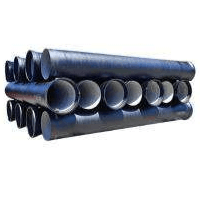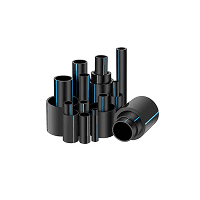
Choosing a fitting looks simple until a joint weeps three weeks after handover. The parts that fit physically aren't always the parts that belong in your system. A reliable specification comes from working through four questions in order — application, material, pressure and thread — before you ever look at a price list.
Start with the application
Before anything else, define what the line carries and the conditions it lives in: potable or non-potable water, hot or cold, indoor or buried, and the working pressure. The application narrows your material choices far more than brand or cost ever should, and it determines which certifications the fitting must hold.
Match the material to the job
Each material trades off corrosion resistance, strength, cost and ease of installation differently. As a starting point:
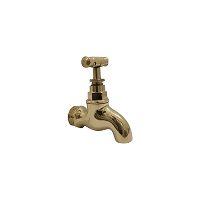
- Brass — corrosion-resistant and well suited to potable water; choose certified lead-free grades for compliance.
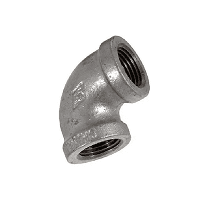
- GI (galvanised iron) — strong and economical for non-potable and structural runs, but watch for internal scaling over time.
- PEX and CPVC — flexible, fast to install and a strong fit for hot-and-cold domestic lines where metal isn't required.
Specify for the failure mode you're trying to avoid — not just the cheapest part that happens to fit.
Get the thread standard right
Thread mismatches are one of the most common and avoidable causes of leaks. BSP (parallel and tapered) and NPT are not interchangeable, and forcing them together damages the seal. Confirm the standard on both sides of every joint, and use the correct sealing method — tape, paste or a bonded washer — for that thread type.
Quick specification checklist
Work through these in order and the right fitting usually selects itself — long before cost enters the conversation. Spend the extra minute at specification and you'll save hours of rework on site.